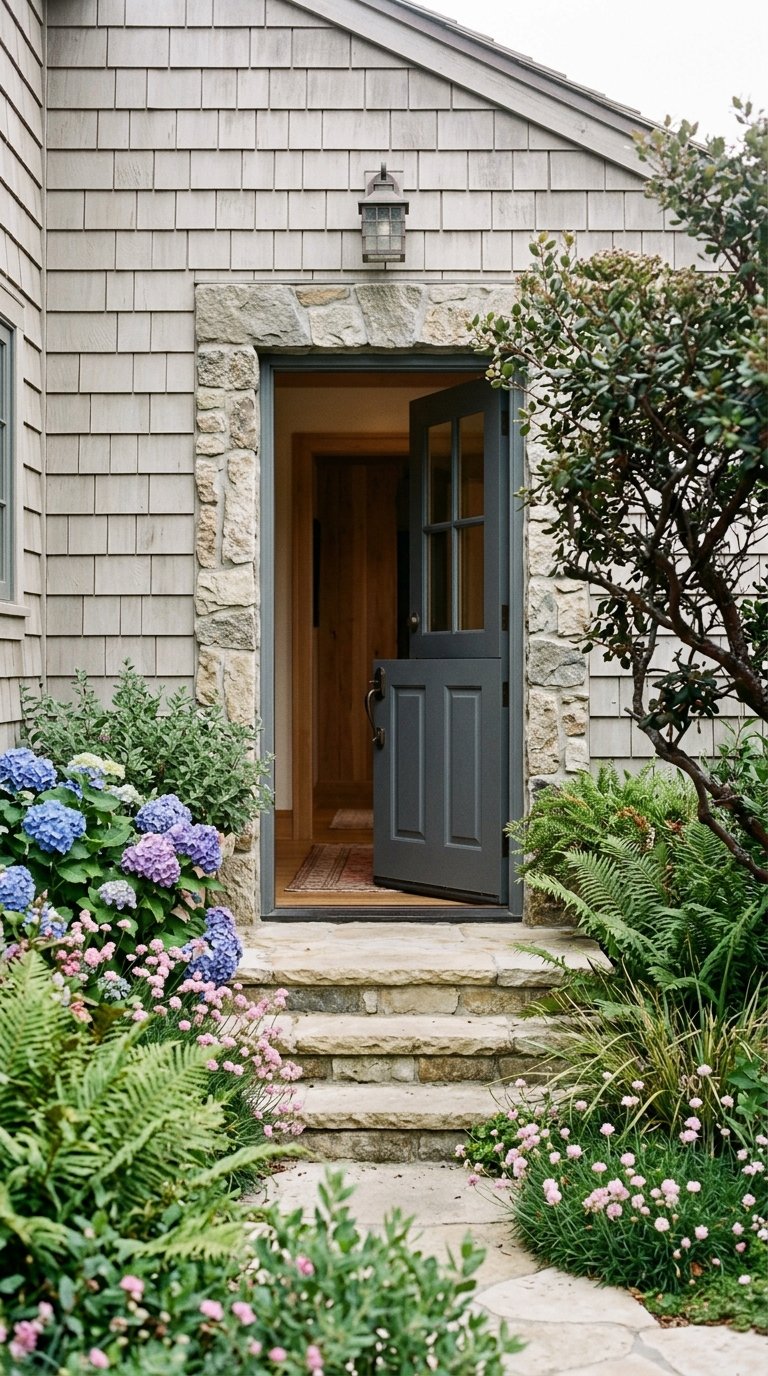
What It's Like To Live In Carmel-By-The-Sea
June 4, 2026
June 4, 2026
If you are wondering whether Carmel-by-the-Sea feels like a beach town, an art village, or a quiet residential escape, the honest answer is all three. Living here is less about suburban convenience and more about a distinct daily rhythm shaped by walkability, coastal scenery, and a strong sense of place. If you are considering a move, this guide will help you understand what everyday life in Carmel really looks like, along with the tradeoffs that come with it. Let’s dive in.
Carmel-by-the-Sea is a compact one-square-mile city with an estimated population of 3,122 as of January 1, 2024. That small scale shapes nearly everything about daily life, from how you move around town to how often you run into the same favorite spots.
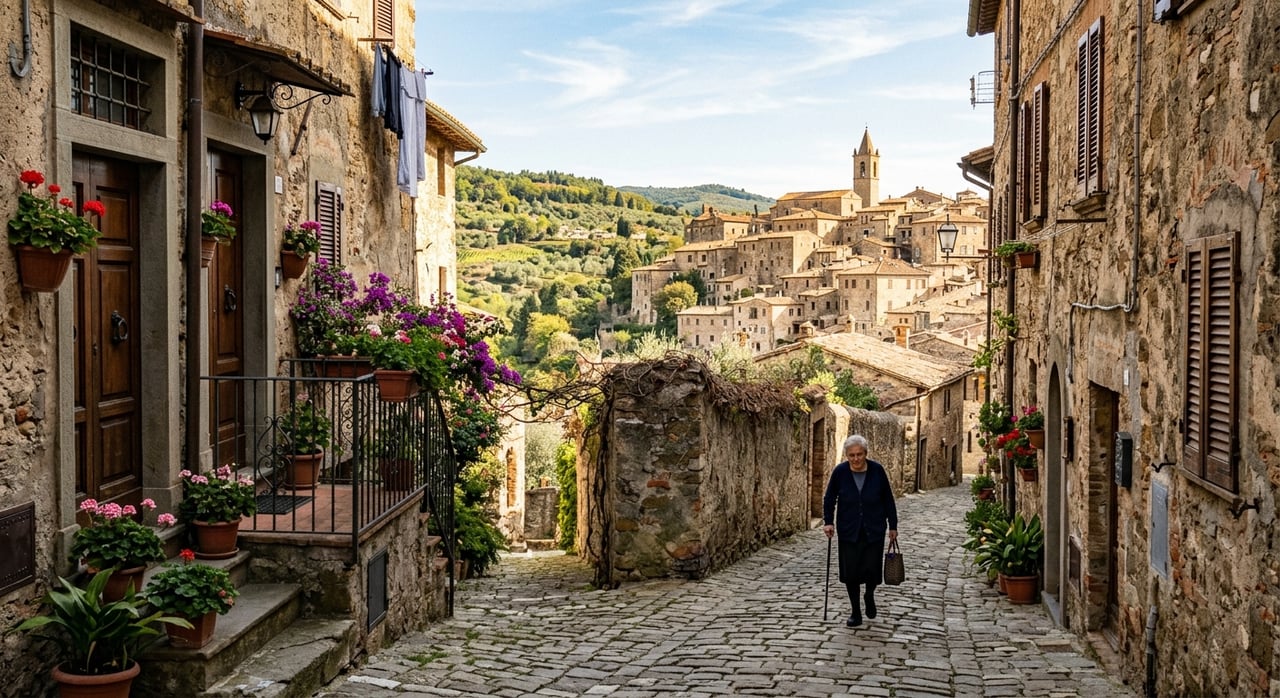
Instead of feeling spread out like a typical suburb, Carmel functions more like a walkable coastal village. Homes, shops, galleries, restaurants, and the beach sit within walking distance, which means many outings can be simple and low effort.
One of the biggest lifestyle differences in Carmel is how often you can leave the car behind. You may walk to dinner, browse a gallery after lunch, or head to the beach without turning it into a major outing.
That ease creates a slower, more connected rhythm. Rather than planning your day around traffic and parking lots, you are often moving through a compact town center with a clear human scale.
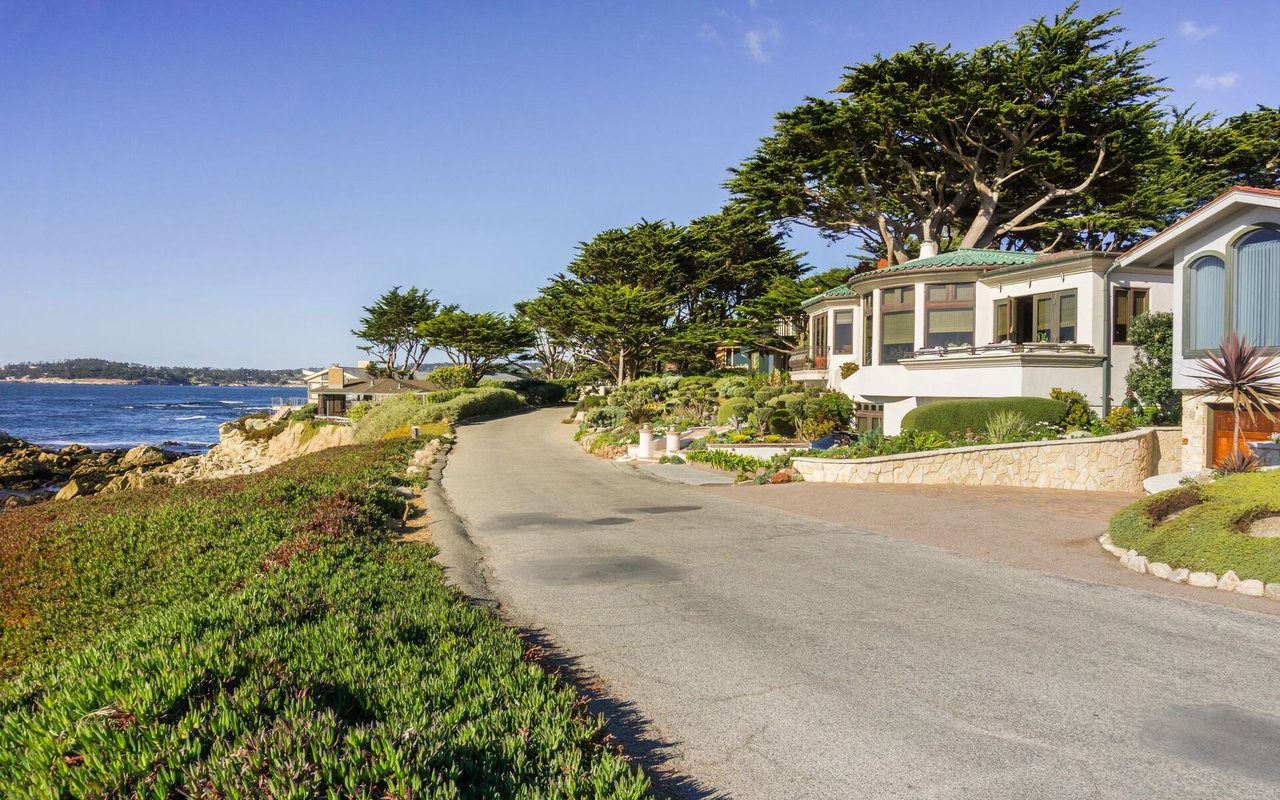
Carmel is known for protecting its architectural and cultural identity. City planning materials describe it as a village in a forest by the sea, and that phrase helps explain the experience of living there.
Residential design guidelines encourage human-scale development and preservation of the forest character. Lighting rules also limit exterior lighting in residential areas, which supports the town’s understated and low-key atmosphere.
One of Carmel’s most talked-about quirks is that there are no standard street addresses for homes. According to the city, properties are identified descriptively or by house names, while APNs are used for utilities and permits.
For residents, this can add a sense of charm and local identity. At the same time, it is a real practical difference, and daily logistics do not work quite the way they do in a typical grid-based city.
In many coastal markets, the beach feels like a special destination. In Carmel, it is often part of normal life.
Carmel Beach is maintained by city staff and volunteers, and its easy access is one of the biggest reasons people are drawn to the area. If you enjoy morning walks, sunset views, or simply being close to the water on a regular basis, that access can be a major lifestyle benefit.
Carmel Beach allows dogs off leash under voice control. That policy is a meaningful part of the town’s outdoor culture and one reason many residents value the area’s everyday livability.
If your routine includes walking a dog near the coast, Carmel offers a setup that is hard to replicate in many other California beach communities. It is not just scenic, but also practical for daily use.
Living near the beach also comes with clear local rules. The city allows propane devices in designated areas, but wood fires, charcoal, and bonfires are prohibited.
That structure helps preserve the beach environment and keeps expectations clear for residents and visitors. If you picture frequent casual beach gatherings, it is helpful to know what is and is not allowed.
Carmel’s outdoor appeal goes beyond the beach itself. The city lists nine designated park, open-space, and recreation areas, giving residents more ways to spend time outside without going far.
If you want larger nature outings, you also have excellent options nearby. Point Lobos State Natural Reserve is about three miles south of Carmel on Highway 1, and State Parks promotes it for sightseeing, photography, nature study, picnicking, scuba diving, and jogging.
Garrapata State Park is another nearby coastal destination, located 6.7 miles south of Rio Road in Carmel. Carmel River State Beach adds a different setting, with a lagoon, bird habitat, and scenic shoreline.
Carmel’s coastal climate is one of its draws, but it helps to have realistic expectations. Official visitor information describes a local microclimate where conditions can shift from fog to sun in the same day.
For you as a resident, that usually means dressing in layers and expecting changeable beach weather. It also means that a bright afternoon and a cool, misty morning can both be part of the same normal day.
The city’s climate and coastal-adaptation work highlights planning around sea-level rise, storms, and other coastal hazards. In practical terms, living in Carmel means enjoying the benefits of the coast while understanding that long-term planning here includes environmental considerations.
That does not define daily life, but it is part of owning property in a coastal location. For buyers, it is one more reason to evaluate the market with a clear, long-term perspective.
Carmel’s arts scene is not just for visitors. It is woven into the identity of the town.
Visit Carmel notes that there are more than 50 art galleries within one square mile. The Carmel Art Walk takes place on the second Saturday of every month, which adds a recurring community event to the local calendar.
The Forest Theater has staged productions since 1910, and Sunset Center serves as a gathering place for performing arts and community events. The city’s art collection also includes more than 900 works displayed across civic buildings, which reinforces how visible art is in everyday spaces.
Another defining feature of life in Carmel is how easily small outings fit into your day. The official visitor site highlights restaurants, wine tasting, boutique shops, galleries, and scenery within walking distance.
That setup can make daily life feel more spontaneous and enjoyable. A quick coffee run, a casual dinner, or an evening stroll can happen without the time and friction that come with longer drives.
Carmel’s village feel comes with practical limits, and parking is one of the clearest examples. The city offers residential parking permits, but many curb spaces in the central business district are timed.
Free public lots are limited to a small number of locations, including Vista Lobos, Sunset Center, and Del Mar near the beach. The city also does not allow camping or overnight parking, so residents tend to think about parking more intentionally than they might in a typical suburban market.
If you are thinking about buying in Carmel, it is important to understand that the town’s visual character is actively protected. The city says projects must be consistent with historic-preservation standards and applicable design regulations.
That matters if you are considering remodeling, expanding, or making long-term changes to a property. Carmel can offer strong character and lasting appeal, but those benefits come with a more structured review environment than you may find elsewhere.
Carmel-by-the-Sea lies entirely within the California coastal zone, which means Coastal Commission oversight applies. For buyers, that adds another layer of consideration when evaluating future plans for a property.
This is especially important if your strategy includes renovation or significant updates over time. A good purchase decision here is not only about the home today, but also about what will realistically be possible later.
The 2020 Census counted 3,056 housing units in Carmel-by-the-Sea, with 1,721 occupied and 1,335 vacant. Census vacancy can include seasonal, recreational, or occasional-use homes, so those figures are consistent with some level of part-time or second-home presence, though they do not prove that by themselves.
For you as a buyer, that pattern may shape how the town feels at different times of year. It can also influence the overall rhythm of the market and the character of certain blocks.
Carmel often appeals most to people who want a beach town with true everyday livability. If you value walkability, access to the coast, a strong arts presence, and a small-village pace, Carmel stands out.
At the same time, it helps to be comfortable with the realities that come with it. Parking is tighter, design standards are stricter, and the environment is more visitor-oriented than a conventional residential suburb.
A move to Carmel is usually about more than scenery alone. You are choosing a very specific way of living, one that blends charm, routine walkability, outdoor access, and a carefully preserved built environment.
From a real estate perspective, that is why clarity matters. The right fit is not just about finding a beautiful home, but understanding how the location, restrictions, and daily rhythm align with your goals over time.
If you are considering a move to Carmel or weighing it against other Monterey Peninsula communities, a strategic local perspective can help you compare lifestyle fit with long-term value. To talk through neighborhoods, property options, or your next move, connect with Michael Pren.
Stay up to date on the latest real estate trends.
Michael is dedicated to helping you find your dream home and assisting with any selling needs you may have. Contact Michael today to discuss all your real estate needs!
MICHAEL PREN | CA DRE# 02219355
ADDRESS 750 University Ave Ste 150 Los Gatos, CA 95032