Buying a Second Home in Monterey: Bay Area Guide
May 21, 2026
May 21, 2026
Thinking about a Monterey second home as a Bay Area resident? You are not alone, and the appeal is easy to understand. Monterey offers coastal access, distinctive housing, and a price point that can be more attainable than some nearby Peninsula markets, but buying here takes more than falling in love with a view. This guide will help you understand pricing, property types, rental limits, and the due diligence that matters most so you can make a smart, lifestyle-driven decision. Let’s dive in.
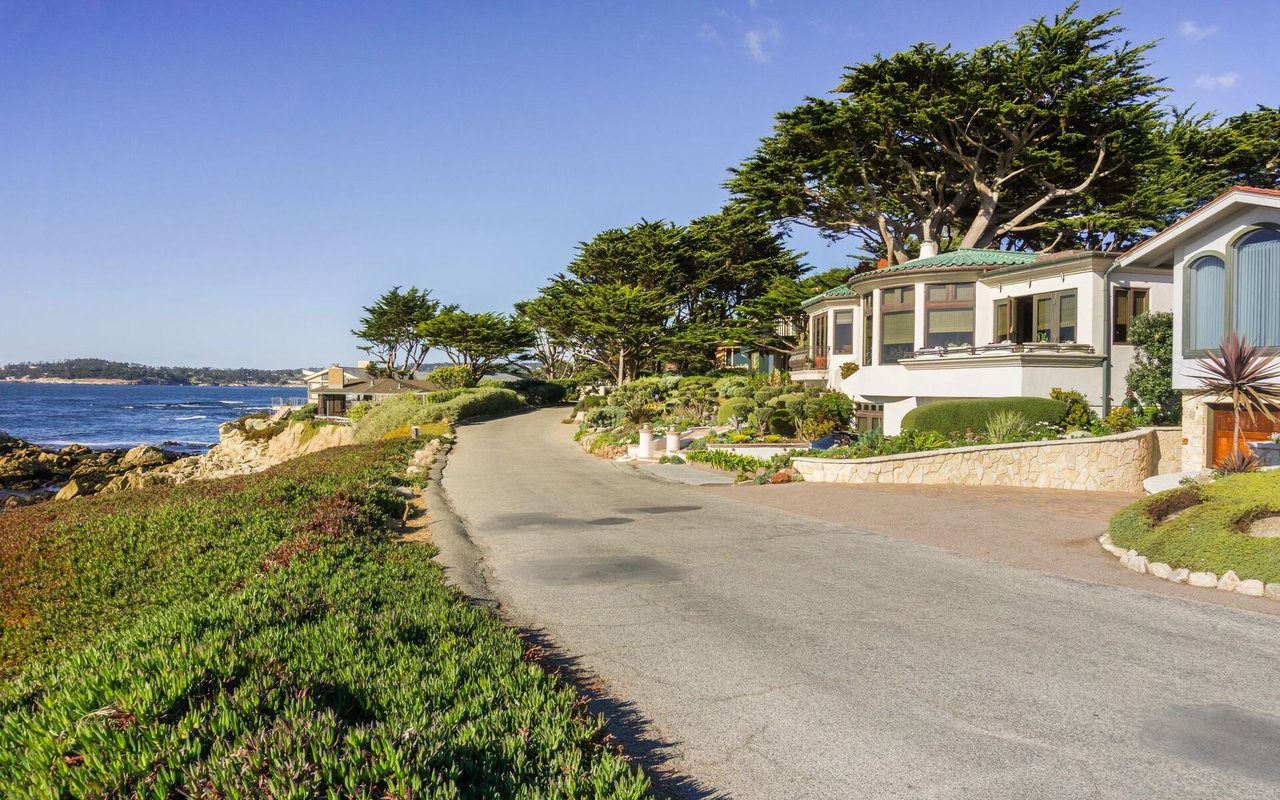
For many Bay Area buyers, Monterey sits in a useful middle ground. It delivers a true coastal lifestyle, but it often comes in below nearby markets like Pacific Grove, Carmel, and Pebble Beach.
That difference is meaningful when you are comparing second-home options. Redfin reported a March 2026 median sale price of $875,000 in Monterey, while Zillow’s April 2026 home value index put the typical home value at $1.19 million, and Realtor.com showed a March 2026 median listing price of $1.13 million. The best way to read that is as a range, not one exact number.
Nearby markets are notably higher in the same general snapshot. Redfin reported March 2026 median sale prices of $1.36 million in Pacific Grove, $4.4 million in Carmel, and $4.05 million in Pebble Beach. For Bay Area buyers who want a coastal foothold without jumping straight to Carmel-level pricing, Monterey can be a practical entry point.
Monterey is not a sleepy bargain market. Redfin described the city as very competitive, with homes selling about 3% below list price on average and hot homes going pending in around 10 days.
At the same time, broader market pace numbers show a little more room than the hottest micro-markets nearby. Redfin reported median days on market of 39 days in Monterey for March 2026, while Realtor.com showed 47 days. That tells you to stay prepared, but not assume every listing will move at the exact same speed.
The key takeaway is simple: if you find the right home, you need to be ready to act. Second-home buyers who take too long to sort out financing, target neighborhoods, or renovation tolerance can lose good opportunities.
Not every Monterey Peninsula market serves the same buyer goal. Price, housing style, and rental flexibility can differ significantly even over a short distance.
| Market | Pricing Snapshot | Market Pace Snapshot | General Fit |
|---|---|---|---|
| Monterey | $875,000 median sale price; $1.13M median listing price | 39 to 47 median days on market | Lifestyle-first second home with relatively more accessible pricing |
| Pacific Grove | $1.36M median sale price | 76 median days on market | Higher entry point with different short-term rental rules |
| Carmel | $4.4M median sale price; $4.375M median listing price | 11 median days on market | Landmark character at a much higher price point |
| Pebble Beach | $4.05M median sale price | Noted as a premium coastal market | High-end coastal ownership |
If you are coming from Silicon Valley, this comparison matters. Monterey may offer a better balance between access, use, and long-term value if your goal is personal enjoyment first and income second.
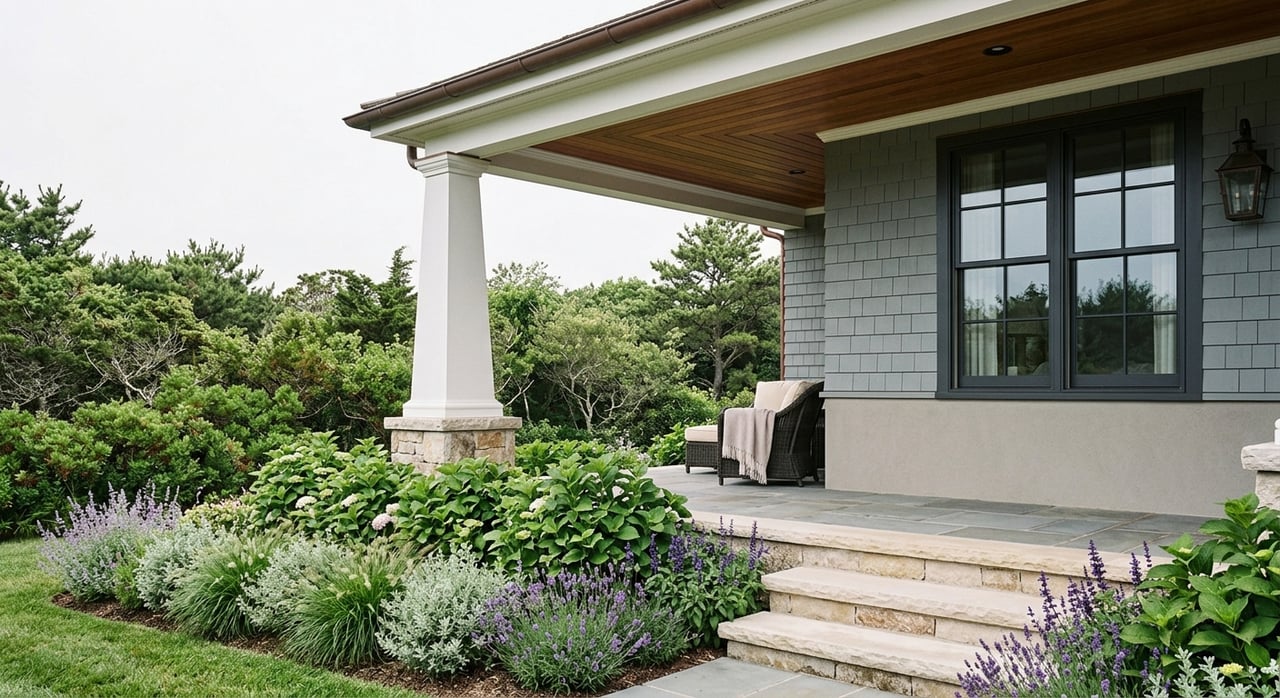
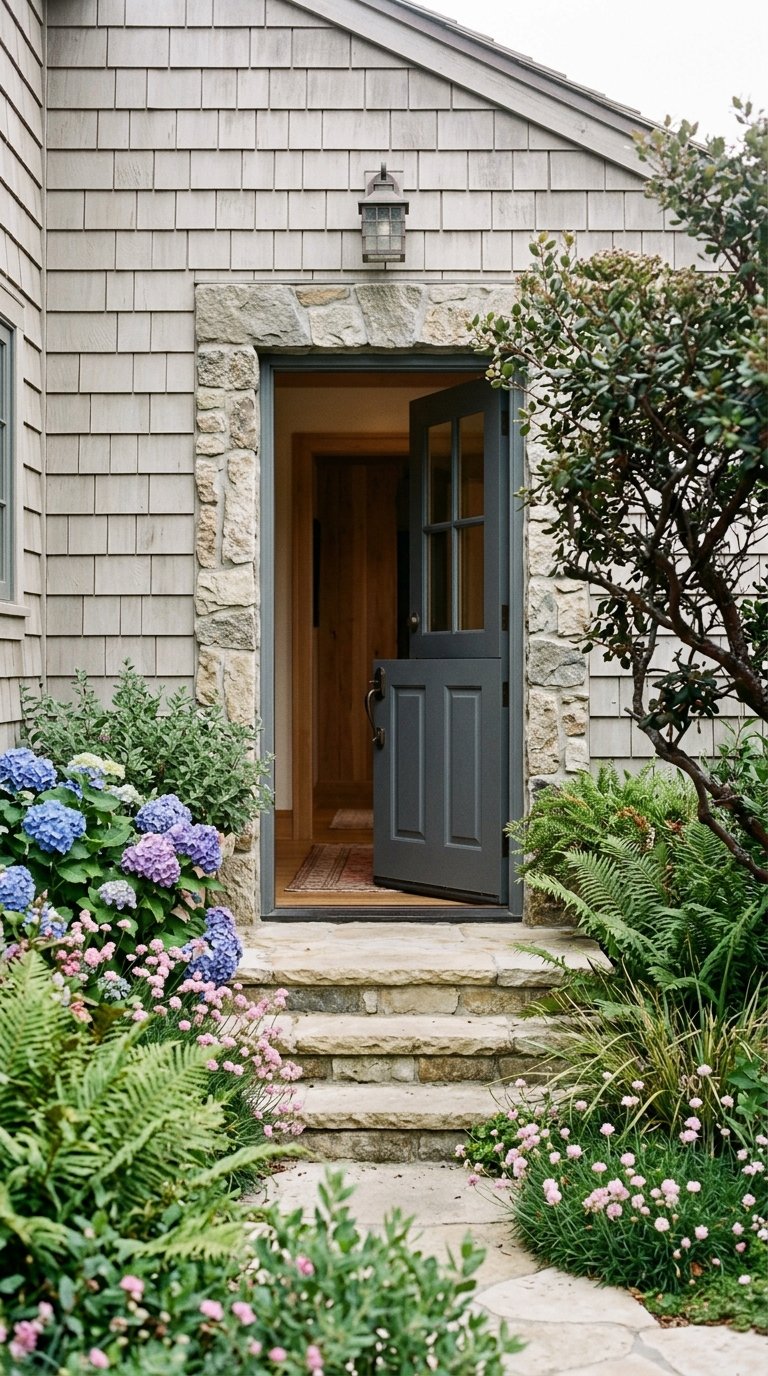
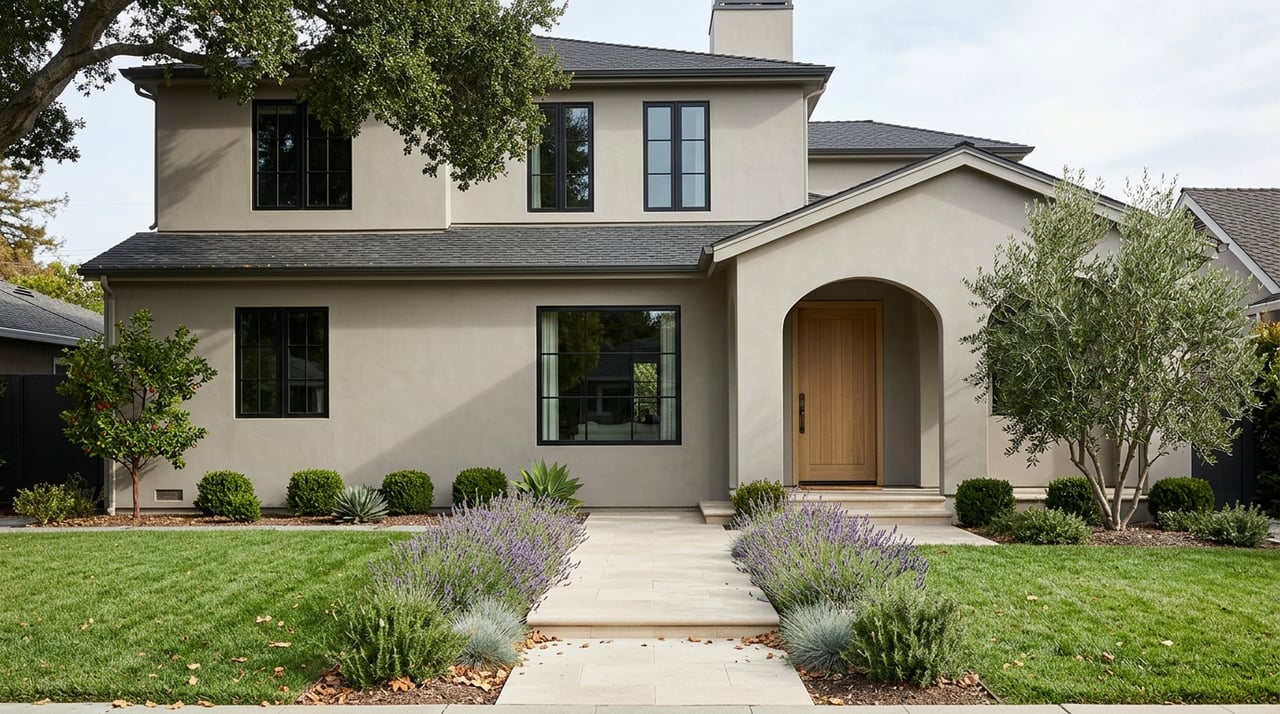
One of Monterey’s biggest draws is that it does not feel cookie-cutter. The city’s historic context materials describe late-19th-century and early-20th-century homes that include Queen Anne, Colonial Revival, Shingle, Folk Victorian, American Foursquare, Craftsman, Mission Revival, Spanish Eclectic, Mediterranean, and Monterey detailing.
That variety creates charm, but it also changes how you should evaluate a property. In Monterey, the remodel history, maintenance quality, and condition of major systems often matter as much as the layout or square footage.
The city’s New Monterey survey also notes simple Craftsman bungalows from the late 1920s and 1930s. If you are used to more uniform Bay Area subdivisions, Monterey housing can feel more individual, which makes due diligence especially important.
Older homes can be rewarding to own, but they usually require a more careful review. A beautiful exterior style does not tell you whether the home has updated plumbing, modern electrical work, or deferred maintenance.
Monterey also has a strong local architectural identity. The Larkin House is recognized by both the National Park Service and California State Parks as the prototype for Monterey Colonial architecture. That local design heritage is part of what gives the city its lasting appeal.
For Bay Area buyers, one of the biggest mistakes is assuming a second home can automatically offset costs through vacation-rental income. In Monterey city, that assumption can lead you in the wrong direction.
The city states that short-term rentals under 30 days are not permitted outside Visitor Accommodation Facility zones. If a permitted operator is in one of those zones, they must collect and remit Transient Occupancy Tax, and the city-wide TOT rate for VAFs is 12%, with returns due by the 15th of the following month.
That means most buyers looking at a typical Monterey city home should treat it as a personal-use property first, not a flexible short-term-rental play. If rental income is central to your purchase strategy, you need to confirm zoning and use rules before you get serious about a property.
This is where local nuance matters. Pacific Grove allows short-term rental licensing, but transient use of residential property is prohibited except as expressly permitted by code, and the city applies rules that include a 15% block-density limit, advertising rules, and occupancy limits.
Carmel-by-the-Sea is also restrictive. Its code states that residential transient lodging uses are prohibited in the R-1 district except as otherwise permitted, and it prohibits advertising unpermitted transient rentals.
If you are considering unincorporated Monterey County, the process changes again. The county requires a TOT certificate, a Vacation Rental Operation License, and a business license, and some commercial vacation rentals also require a use permit or coastal development permit. The county also notes that coastal short-term rentals may be allowed through a coastal development permit process, with permits costing approximately $12,000.
A second-home budget should go beyond the purchase price. Monterey ownership can come with costs and constraints that are easy to underestimate if you are shopping mainly by photos and weekend tours.
A broad rent benchmark may help with long-term planning, but it should not drive your whole decision. Realtor.com showed a median monthly rent of $2,825 in Monterey, which can be useful as a rough baseline for longer-term rental thinking, but it is not a guarantee of what any individual property can achieve.
You should also account for taxes, insurance, maintenance, and future work. California’s State Board of Equalization explains that Proposition 13 generally limits annual assessment increases to no more than 2%, but a change in ownership can trigger supplemental tax bills. For second-home buyers, that often comes as a surprise if they are only focused on the base property tax estimate.
In Monterey, smart second-home buying is often about risk control. The right home is not just the one that feels good on a Saturday showing. It is the one that still makes sense after you look closely at use restrictions, property condition, and long-term ownership costs.
A few checks deserve special attention here.
If you are buying an older home with plans to upgrade it, start with water constraints. The Monterey Peninsula Water Management District says water permits are required before adding, modifying, or relocating water fixtures in residential use.
That can affect renovation plans in a very real way. Monterey County’s building FAQ says unincorporated parcels within MPWMD boundaries and served by Cal-Am generally have no new water available, so remodels that increase water use can be constrained.
Coastal and hillside ownership comes with physical risk questions that should be reviewed early. Monterey County says CAL FIRE fire hazard maps classify areas as moderate, high, or very high risk.
The county also notes that four types of flooding occur in Monterey County, including coastal flooding. FEMA’s Flood Map Service Center is the official source for mapped flood hazards.
Erosion belongs on your checklist too. NOAA’s Monterey Bay sanctuary materials say about 85% of the California coast experiences active erosion, which is especially relevant if you are evaluating shoreline-adjacent property or thinking long term.
If you are a Bay Area resident shopping for a Monterey second home, it helps to decide what job the property needs to do. Most buyers are really choosing between three priorities: personal use, future appreciation, or income strategy.
If your priority is personal enjoyment, Monterey has a strong case. You get coastal access, architectural character, and a more attainable pricing profile than some neighboring markets.
If your priority is short-term rental flexibility, Monterey city may not be the best fit for a typical residential purchase. In that case, Pacific Grove or an unincorporated Monterey County property may deserve a closer look based on the local permit path and use rules.
If your priority is landmark character at a premium tier, Carmel or Pebble Beach may align better, but with a much higher entry point. The right answer depends less on broad headlines and more on how you plan to use the home over the next five to ten years.
The buyers who do well in Monterey usually stay disciplined. They narrow the target area early, get clear on whether the property is for lifestyle or income, and investigate condition and local restrictions before getting emotionally attached.
That approach fits Monterey especially well because the market is both attractive and nuanced. Homes can be older, styles vary widely, and ownership questions around water, hazard exposure, and rental use can have a real impact on long-term value.
If you are weighing Monterey against other Peninsula markets, a clear strategy can save time and money. For Bay Area buyers, the goal is not just to buy a coastal home. It is to buy the right coastal home for the way you actually plan to use it.
When you want a second-home plan that balances lifestyle with long-term value, working with a local, strategic advisor can make the process far more efficient. If you are exploring Monterey or comparing it with nearby coastal markets, connect with Michael Pren for informed guidance tailored to your goals.
Stay up to date on the latest real estate trends.

Michael is dedicated to helping you find your dream home and assisting with any selling needs you may have. Contact Michael today to discuss all your real estate needs!
MICHAEL PREN | CA DRE# 02219355
ADDRESS 750 University Ave Ste 150 Los Gatos, CA 95032