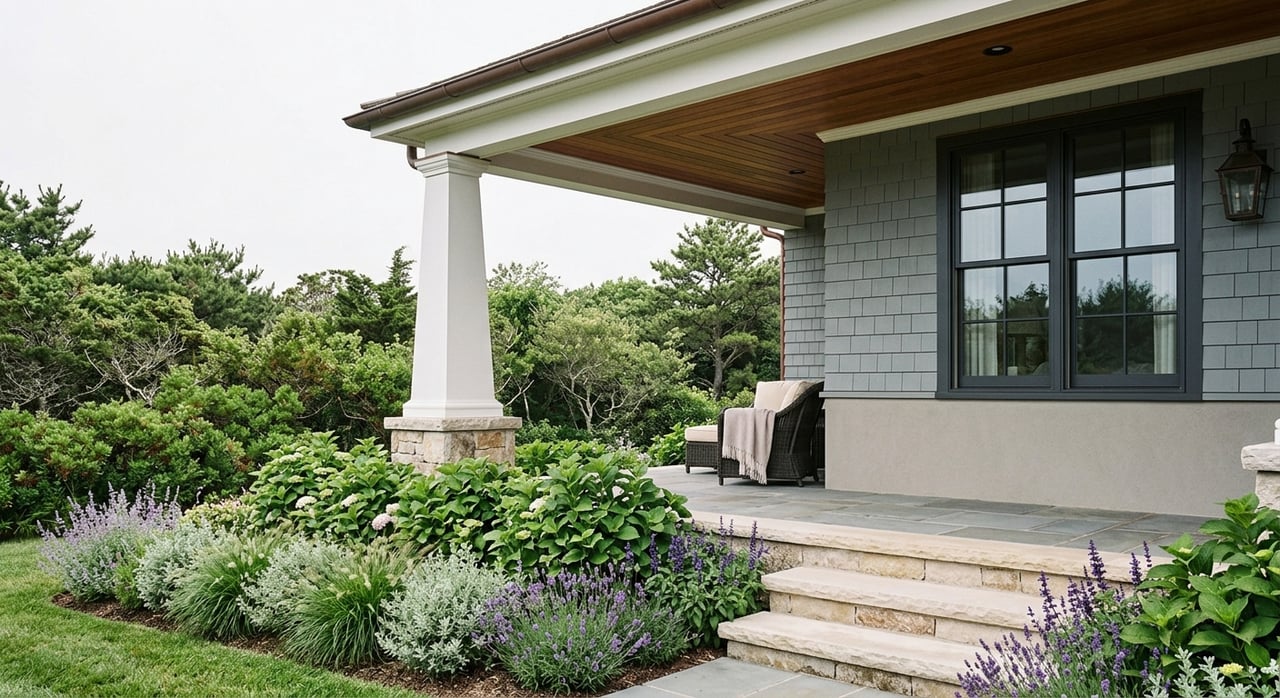
Pacific Grove Neighborhoods For Coastal Homebuyers
June 11, 2026
June 11, 2026
Looking at Pacific Grove and wondering which part of town actually fits your coastal lifestyle? In a city this compact, a few blocks can change your day-to-day experience in a meaningful way. If you want to balance shoreline access, walkability, home style, and long-term value, it helps to understand Pacific Grove as a collection of small, distinct neighborhood pockets rather than one single market. Let’s dive in.
Pacific Grove covers just 2.87 square miles of land, but its official planning areas show a city with several different residential patterns. In 2024, the city had an estimated 14,851 residents, a 50.4% owner-occupied housing rate, a median owner-occupied value of $1.19 million, and a median gross rent of $2,455.
That matters because your experience here can shift quickly based on where you land. In practical terms, most buyers end up choosing among three broad lifestyle categories: historic and walkable, shoreline and coastal, or inland and more residential.
If you want a neighborhood with easy access to daily amenities and a stronger sense of Pacific Grove’s older built character, the historic core deserves a close look. This area includes Downtown, the Pacific Grove Retreat, and parts of the First Addition and nearby blocks.
The city’s historic context notes that early residential development included small wood-frame dwellings, tent cottages, and later Queen Anne and Folk Victorian houses. It also states that single-family dwellings are by far the most common property type in Pacific Grove, while multi-unit buildings are less common.
For many buyers, this part of town stands out because it combines older architecture with a more compact layout. The result is a neighborhood feel that can suit buyers who want to be near civic spaces, local services, and the coast without relying on a car for every outing.
Downtown Pacific Grove is described by the city as having varied scale, architectural style, and setbacks between Lighthouse Avenue and nearby side streets. That variation gives the area a more layered street feel than you might expect in a small city.
The city’s civic anchors are also concentrated here. The public library, Museum of Natural History, Rec Club, Community Center, and Chautauqua Hall are all located near the historic center, which helps make this one of the strongest walkability pockets in Pacific Grove.
This part of Pacific Grove can make sense if you value:
If you are comparing long-term lifestyle tradeoffs, this area often appeals to buyers who want convenience and character in the same package.
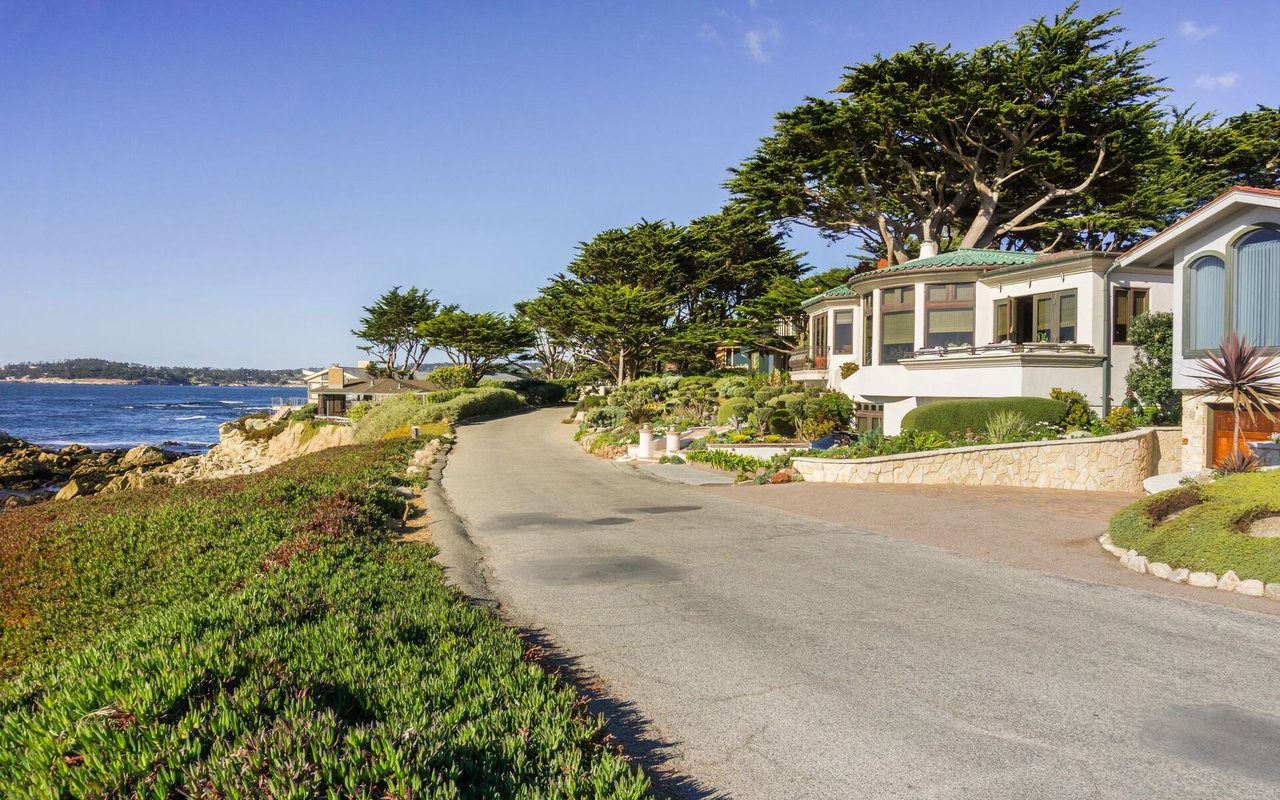
For many coastal homebuyers, the biggest draw is simple: being closer to the water. In Pacific Grove, the main shoreline-side pockets include Asilomar Dunes, Beach Tract/Fairway Homes, Seaview, and Sunset Drive.
These areas connect more directly to some of the Peninsula’s best-known coastal amenities. Asilomar State Beach includes a one-mile stretch of sandy beach and rocky coastline, along with the Asilomar Coast Trail and the Asilomar Dunes Natural Preserve.
The city’s broader coastal amenity network also includes Lovers Point Park, Point Pinos Lighthouse, the municipal golf course, and several shoreline parks. For buyers focused on outdoor access, these locations can offer a very different daily rhythm than the more central parts of town.
Asilomar Dunes is the city’s lowest-density pocket, with most of the neighborhood designated low density. Nearby coastal pockets such as Beach Tract/Fairway Homes, Hillcrest, Country Club Heights, and Sunset are generally medium-density, while some Sunset Drive and near-Downtown blocks are denser.
The practical takeaway is that coastal living in Pacific Grove is not all the same. Some areas lean toward larger-lot single-family patterns near the dunes, while others feel more compact as you move closer to Lighthouse Avenue and Downtown.
Shoreline access is a major advantage, but it comes with extra context. Pacific Grove’s coastal program identifies large winter waves, bluff and shoreline erosion, sea level rise, and tsunami exposure as key hazards in the Coastal Zone.
If you are shopping in shoreline-adjacent areas, it is smart to weigh the appeal of views and access against ongoing maintenance considerations and long-term property planning. That kind of thinking is especially important if you view your purchase as both a lifestyle decision and a long-term asset.
Not every coastal block in Pacific Grove feels the same year-round. The city’s current draft Land Use Element says Pacific Grove had 23 motels, hotels, and bed-and-breakfast inns in 2025, most along the western end of Lighthouse Avenue and along Asilomar Avenue, plus about 84 licensed short-term vacation rentals citywide.
That does not make these areas better or worse. It simply means that if you want a quieter, more consistently residential setting, you should pay close attention to how close a home sits to visitor-oriented corridors.
This issue tends to matter most around:
For some buyers, being near coastal activity is part of the appeal. For others, a more tucked-away residential pocket will feel like a better fit.
If your priority is a calmer everyday setting, Pacific Grove’s inland pockets may offer a better match. These include Country Club Gate/Forest Grove, Country Club Heights, Del Monte Park, Hillcrest, Pacific Grove Acres, and Glen.
Based on the city’s land use designations, these neighborhoods generally trend more residential and less visitor-facing than the shoreline corridors. In practical terms, they may suit buyers who want a little more separation from the tourism patterns tied to the coast.
Pacific Grove’s everyday service pattern is not limited to Downtown. The Forest Hill commercial area is south of David Avenue, and the Country Club Gate Shopping Center is at Forest and David Avenues.
Schools are also spread within the city, including Robert Down Elementary, Forest Grove Elementary, David Avenue School, Pacific Grove Middle School, and Pacific Grove High School. Pacific Grove Unified School District says it serves about 1,800 TK-12 students across five schools, and elementary assignment is based on address.
For buyers who want to be thoughtful about logistics, that means neighborhood choice may depend not only on atmosphere but also on address-specific convenience.
If you are looking for a quieter residential pattern, the areas most likely to stand out include:
These neighborhoods may be worth prioritizing if you want a setting that feels more residential in day-to-day use while still keeping Pacific Grove’s shoreline and downtown amenities within reach.
If walkability is high on your list, the strongest candidates are Downtown, the Retreat, the First Addition, and nearby blocks around Lovers Point and the Central Avenue and Lighthouse Avenue area. That is where civic uses, cultural destinations, and retail activity are most concentrated.
Lovers Point Park also strengthens the appeal of this section of town. The 4.4-acre community park includes sandy beaches, a pier, and water-oriented recreation, while the Monterey Peninsula Recreation Trail adds a major walking and cycling route along the northeastern coastline.
For many buyers, this combination creates the clearest car-light lifestyle opportunity in Pacific Grove.
Pacific Grove is already a premium market by citywide housing numbers alone. With a median owner-occupied value of $1.19 million, most buyers benefit from getting clear on priorities before narrowing their search.
In broad terms, it is reasonable to expect shoreline-adjacent and historic-core pockets to command stronger premiums because they combine scarce coastal access, character, and walkability. This is not a substitute for property-level analysis, but it is a useful starting framework when you are deciding where to focus your time.
When buyers compare Pacific Grove neighborhoods well, they usually rank these factors first:
That framework can help you compare homes with more clarity, especially in a city where the neighborhood experience changes quickly over a short distance.
Pacific Grove is easiest to understand when you stop looking for one “best” neighborhood and start looking for the right match. Some buyers are drawn to the historic core for walkability and character. Others want shoreline access near Asilomar, Sunset, or Seaview. Others still prefer inland pockets that feel more purely residential.
The right choice usually comes down to how you balance coastal access, neighborhood feel, visitor activity, daily convenience, and long-term value. When you evaluate Pacific Grove through that lens, the map starts to make a lot more sense.
If you want help comparing Pacific Grove neighborhoods with a clear strategy around lifestyle fit, value, and timing, connect with Michael Pren.
Stay up to date on the latest real estate trends.
Michael is dedicated to helping you find your dream home and assisting with any selling needs you may have. Contact Michael today to discuss all your real estate needs!
MICHAEL PREN | CA DRE# 02219355
ADDRESS 750 University Ave Ste 150 Los Gatos, CA 95032