
Preparing A Saratoga Home For A High-Confidence Sale
June 18, 2026
June 18, 2026
Wondering how much prep is enough before you list a Saratoga home? In a market where well-presented properties can move quickly, the goal is not to do everything. It is to make smart, well-timed improvements that strengthen buyer confidence, reduce surprises, and help your home stand out for the right reasons. Let’s dive in.
Saratoga is a premium residential market with a strong ownership base and high property values. Recent market trackers place median or average home values at about $4.1 million, with homes often going pending or selling within a few weeks, and sometimes faster.
That kind of market can create opportunity, but it also raises the bar. Buyers comparing homes at this price point often notice presentation, maintenance, and documentation. In practical terms, strong prep can help support your pricing strategy, while visible deferred maintenance can create hesitation.
Before you schedule photos or think about a launch date, step back and separate your to-do list into three buckets: cosmetic updates, permit-sensitive items, and disclosure or inspection prep. This helps you focus your time and budget where it can have the clearest impact.
For many Saratoga sellers, the best early question is simple: what will improve first impressions and reduce buyer uncertainty without creating avoidable delays? That mindset helps you avoid over-improving while still addressing the items buyers are most likely to notice.
Saratoga city guidance says painting, wallpapering, and similar finish work are typically exempt from permit requirements. That makes cosmetic refreshes a practical starting point when you want to improve presentation without slowing down your timeline.
Common pre-sale updates often include:
These updates can make a home feel more cared for and easier to understand on first showing. They also tend to support listing photos, open house traffic, and overall buyer perception.
Not every improvement is simple. In Saratoga, additions, structural changes, roof replacements, window or door changes involving structural framing, HVAC replacements, electrical service upgrades, and attached decks generally require permits.
If you are considering larger work shortly before listing, timing matters. Permit review, scheduling, and completion can take longer than expected, and some exterior changes may trigger additional city review.
For single-family homes, visible exterior changes can involve more than basic construction approval. Saratoga’s residential development framework includes objective design standards, and projects that do not meet those standards may move into administrative design review or Planning Commission review.
That can add time and, in some cases, notices to nearby property owners. If you are close to listing, it is often wiser to avoid late-stage exterior changes unless they are necessary and clearly scoped.
Saratoga’s checklist expects additions to stay consistent with the existing home’s roof forms and materials. The city also applies 360-degree design standards, meaning all exterior walls should receive comparable attention.
For sellers, the practical takeaway is straightforward. If you do exterior work before listing, make sure it feels cohesive with the home rather than partial or improvised.
In a market where buyers move quickly but still compare carefully, staging can help your home make a strong first impression. According to the National Association of Realtors’ 2025 Profile of Home Staging, 83% of buyers’ agents said staging made it easier for buyers to visualize a property as a future home, and 49% of sellers’ agents said staging reduced time on market.
The same report found that the most commonly staged spaces were the living room, primary bedroom, dining room, and kitchen. If you are prioritizing budget, those rooms are a logical place to start.
You do not always need to stage every square foot. In many Saratoga homes, buyers form their opinion quickly based on the spaces that shape daily living and entertaining.
Focus on rooms that help buyers understand scale, layout, and flow:
Thoughtful staging works best when it supports the architecture and natural light of the home. The goal is clarity, not excess.
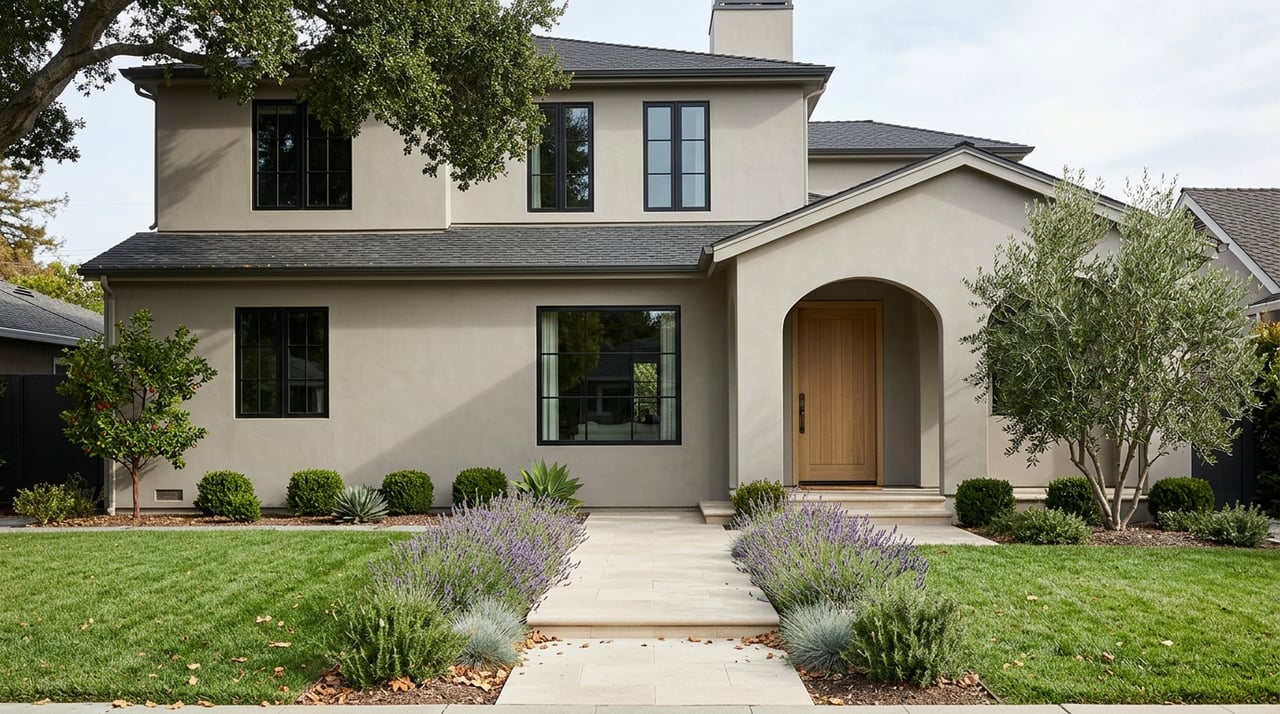
In Saratoga, exterior presentation is not just about curb appeal. It can also intersect with wildfire readiness, vegetation management, and city rules, especially in the western hillside areas covered by the Wildland Urban Interface.
The city says Saratoga includes CAL FIRE Very High Fire Hazard Severity zones, and its wildfire guidance emphasizes defensible space, vegetation management, and ongoing maintenance in higher-risk areas. That makes outdoor prep an important part of a high-confidence sale.
Saratoga’s defensible-space checklist starts at the house itself. The city calls for cleaning gutters, moving flammable materials away from the structure, removing dead plants and weeds, keeping tree branches at least 10 feet from structures and other trees, and removing branches that hang over the roof.
All properties in the WUI are subject to brush abatement requirements, and all properties citywide are subject to weed abatement requirements. Even if your home shows beautifully inside, neglected exterior maintenance can raise questions for buyers.
Trees are a major part of Saratoga’s character, and the city says local property values are closely tied to the community’s tree canopy. Tree work is not something to treat casually before a sale.
Saratoga protects any tree with a trunk diameter of 10 inches or more, along with street trees, heritage trees, and replacement trees regardless of size. Several native species are also protected at smaller diameters.
If you need pruning or removal before listing, build in time. Some removals within five feet of a home may be allowed with a permit and without public notice or appeal, but a permit is still required. Other removals can involve a site visit, written notice to homeowners within 150 feet, and a 15-day appeal window.
If your home is in the WUI, there may be practical resources that help you prepare. The city and the Santa Clara County FireSafe Council offer support that includes free chipping, free Home Ignition Zone inspections, and rebates of up to $10,000 for installing a Class A roof and multi-pane tempered glass windows.
Those resources may not fit every seller’s timeline, but they are worth understanding early if wildfire readiness is part of your prep plan.
A high-confidence sale is not just about presentation. It is also about reducing uncertainty once buyers begin reviewing documents.
California’s Department of Real Estate says the seller’s Real Property Disclosure Statement covers the property’s physical condition and potential hazards or defects. The DRE also notes that the transfer disclosure statement is not a warranty and is not a substitute for inspections.
The DRE points sellers toward several documents that commonly matter in a California resale. Depending on the property and transaction, these can include:
A well-organized disclosure package can help buyers evaluate the home with more confidence. It also gives you a better chance to address issues on your terms rather than in the middle of negotiations.
If your Saratoga home was built before 1978, lead-based paint may be part of your pre-listing review. Federal law requires sellers to provide known lead-hazard information and the required lead pamphlet before a buyer becomes obligated under contract.
If you are doing repair or renovation work that disturbs painted surfaces in a pre-1978 home, lead-safe practices by certified firms are also required. This is one more reason to plan updates carefully before listing.
A structural pest inspection is not required by law before a transfer. However, if the purchase contract or lender requires one, the seller must deliver the report and certification before title transfer.
In Saratoga, where older homes and larger lots can lead to more detailed buyer diligence, handling this early can help you avoid a scramble later.
One of the biggest advantages you can create is timing discipline. In Saratoga, permit-sensitive work, tree rules, staging, and wildfire-related prep can all affect your calendar.
A practical sequence often looks like this:
This sequence helps you present the home cleanly from day one. It also lowers the risk of rushing paperwork or exposing the property before it is fully ready.
In a fast-moving market, it is easy to assume that any Saratoga home will sell quickly no matter what. But premium buyers still notice condition, consistency, and execution.
The most effective pre-sale prep usually is not about doing the biggest project. It is about making informed choices that improve presentation, respect local rules, and give buyers fewer reasons to hesitate. If you want a clear strategy for timing, improvements, pricing, and launch, Michael Pren can help you build a smart plan for your Saratoga sale.
Stay up to date on the latest real estate trends.



Michael is dedicated to helping you find your dream home and assisting with any selling needs you may have. Contact Michael today to discuss all your real estate needs!

MICHAEL PREN | CA DRE# 02219355
ADDRESS 750 University Ave Ste 150 Los Gatos, CA 95032